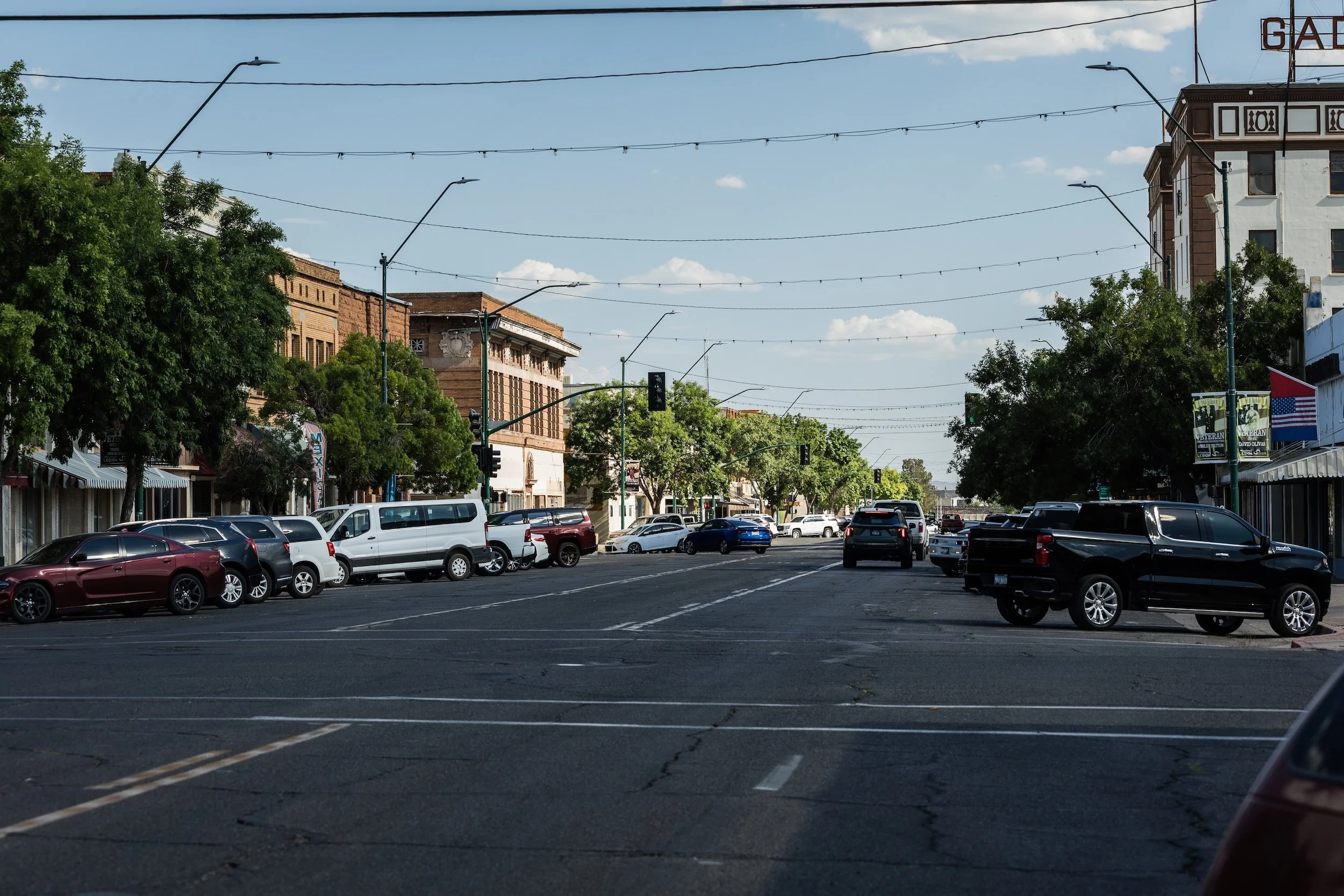
On race morning, most of what riders see at BorderLands Gravel is the finished product.
There’s a start line waiting for them in Douglas. Courses have been mapped. Aid stations are ready. Volunteers are in position. Timing is set up. Roads have been coordinated. Riders have places to stay, places to eat, and things to explore before and after the race.
Then someone says go.
Hundreds of riders roll out of Douglas from Castro Park, along the border wall, and into the wide-open landscape of the Arizona borderlands along the Geronimo Trail Road.
But putting on a gravel race begins long before anyone crosses the starting line. In a rural community like Douglas, it takes a lot to make it happen.
It takes a whole town.
A Gravel Race Needs A Community
Douglas and Cochise County have something gravel cyclists want: miles and miles of remote dirt roads running through an incredible landscape.
The Geronimo Trail is a perfect example. Stretching east from Douglas toward New Mexico, the road carries riders through a landscape filled with history, desert scenery, wildlife habitat, ranchlands, and seemingly endless horizons.
Those roads helped inspire what eventually became BorderLands Gravel. But having great gravel doesn’t automatically mean you can put on a great gravel race.
From the earliest stages of the event, partnerships have been essential.
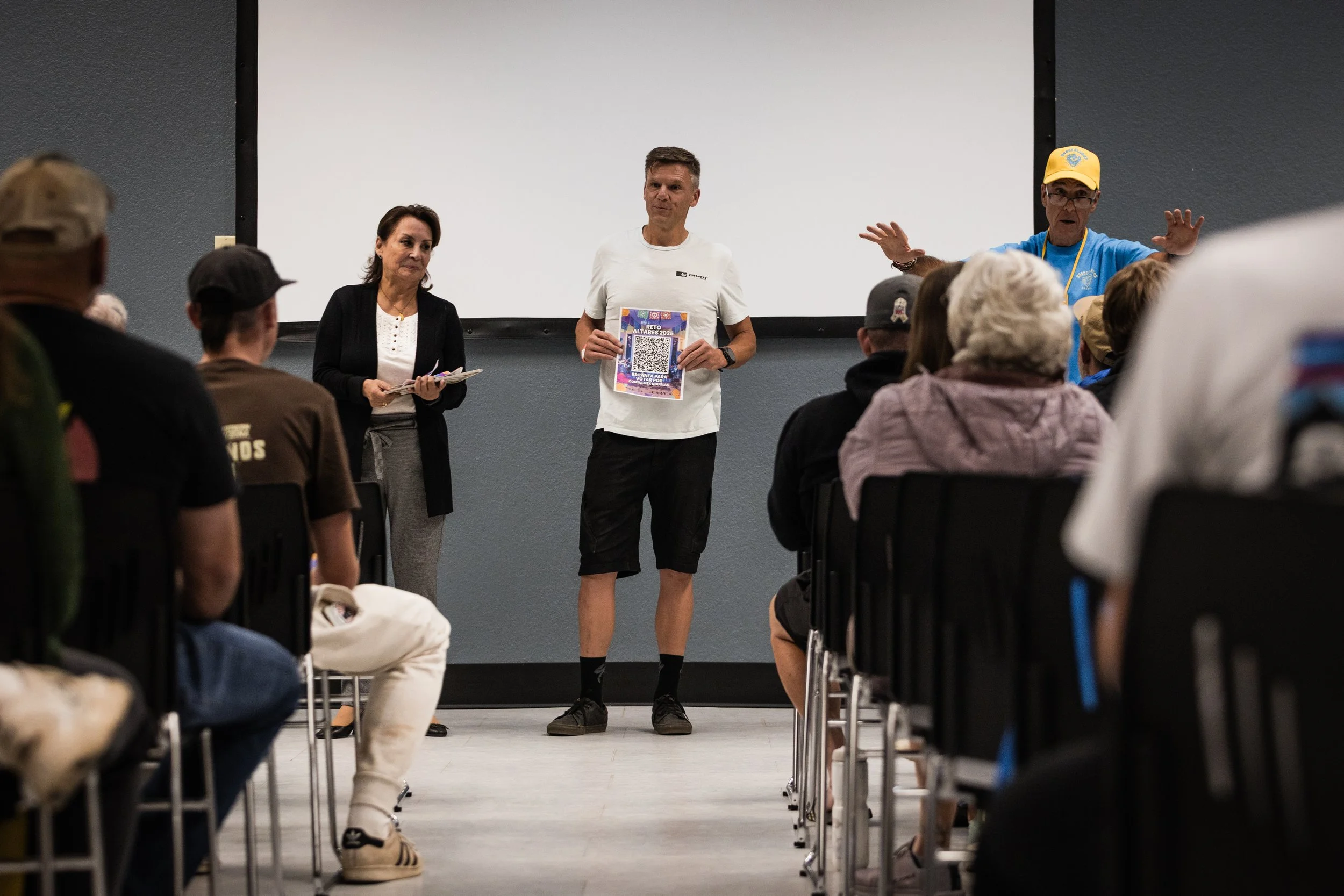
The idea that eventually became BorderLands Gravel began taking shape through conversations in Douglas, including early discussions at the historic Gadsden Hotel and subsequent conversations with tourism and city officials. From there, the circle continued to expand to include the City of Douglas, regional organizations, businesses, agencies, landowners, volunteers, and other community stakeholders.
That network is crucial because a race doesn’t operate independently from the place where it happens.
Douglas As A Host City ... And Then Some
It would be easy to describe Douglas as the host city for BorderLands Gravel.
But “host” doesn’t quite capture it.
The City of Douglas and its staff have supported, encouraged, and collaborated with the event. Cochise County has become a partner. Local organizations and businesses have stepped forward to contribute resources, services, ideas, and support.
Cochise College, for example, is providing Clif Bars for racers. Art Car World and Harrod Blank have brought creativity and energy to the event and the community. The Gadsden Hotel played a role in the earliest conversations that eventually led to the race itself.
Those are only some of the visible examples.
Behind an event like BorderLands Gravel are also countless conversations, introductions, emails, meetings, permissions, logistics, and people willing to figure out how to make something work.
That’s community infrastructure. And especially for a rural race, it can be every bit as important as the roads themselves.
Local Partnerships Create the Race Experience
There is another reason these partnerships make a huge difference.
Douglas is part of the race.
The history is part of it. The international border is part of it. The surrounding desert is part of it. The local businesses are part of it. The people riders meet throughout the weekend are part of it.
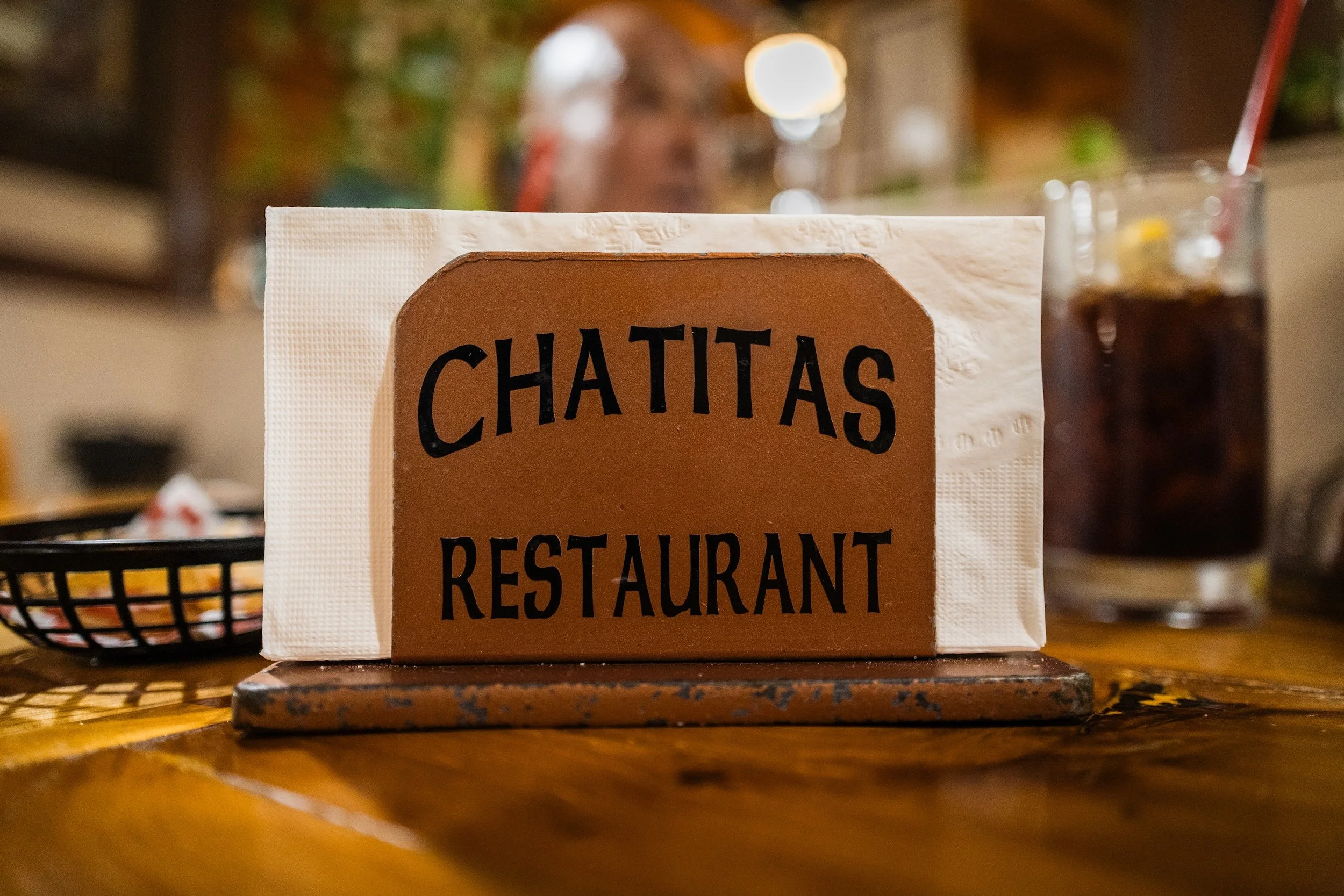
When riders stay in a Douglas hotel or Airbnb, grab breakfast at a local restaurant, visit Art Car World, explore downtown, stop into a local business, or stick around after the race, the boundary between “race experience” and “community experience” begins to disappear.
That’s exactly what we want.
Building Something Beyond the Race
There is also a more comprehensive vision behind all of this.
We’ve talked a lot about putting Douglas and Cochise County on the gravel cycling map. BorderLands Gravel can help do that, but one race weekend alone won’t turn a community into a cycling destination.
That takes an ecosystem.
It takes great routes riders can explore outside of race weekend. It takes businesses that understand and welcome cyclists. It takes places to stay and eat. It takes local storytelling and tourism resources. It takes relationships between race organizers, governments, landowners, agencies, businesses, and residents.
Most importantly, it takes people who see the opportunity and are willing to work together.
The inaugural event demonstrated some of that potential. Riders came to Douglas from elsewhere in Arizona and beyond, and some discovered a community they had previously overlooked on trips through Southern Arizona. BorderLands Gravel gave them a reason to keep traveling past some of the region’s better-known destinations and experience Douglas for themselves.
Each rider who makes that trip represents another person who now knows these roads exist.
Another person who has walked around Douglas. Another person who has eaten here, stayed here, and experienced this corner of Arizona. Another person who might come back.
It Takes a Whole Town
Race day will eventually arrive.
Riders will clip in. Volunteers will take their places. Timing will start. Aid stations will get busy. Gravel will crunch underneath hundreds of tires as cyclists leave Douglas and head toward the horizon.
That’s the part everyone gets to see.
But behind those moments is a community of people who helped make them possible. So as we get closer to BorderLands Gravel, we want to make sure we’re telling their story too.
To the City of Douglas and Cochise County. To our local businesses and organizations. To our volunteers, agencies, landowners, tourism partners, sponsors, and community advocates. To everyone who has opened a door, made an introduction, offered an idea, solved a problem, provided a resource, or simply believed this event could become something meaningful:
Thank you.
BorderLands Gravel doesn’t simply happen in Douglas.
Douglas helps make it happen.