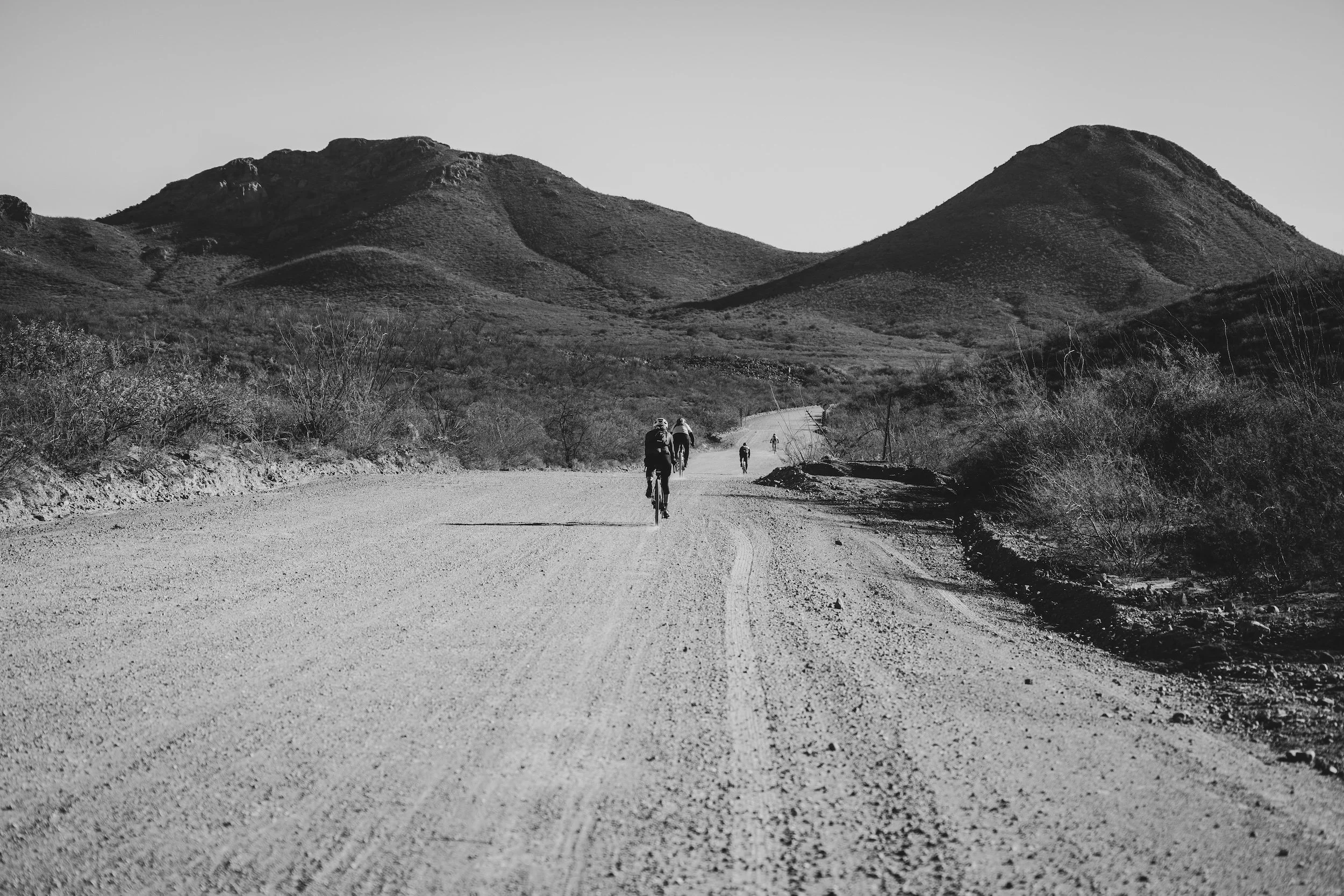
Southern Arizona has already earned a reputation as one of the most compelling gravel cycling regions in the Southwest.
Patagonia and Santa Cruz County have helped lead the way. Riders come to explore the sweeping grasslands of the San Rafael Valley, climb through remote mountain passes, pedal toward the international border, and experience a landscape that feels much farther removed from modern life than its location on a map might suggest.
The growing collection of routes, guide services, races, lodging, and rider-friendly businesses surrounding Patagonia has helped establish the community as a legitimate gravel destination. It offers an excellent example of what can happen when great roads are paired with the resources and storytelling riders need to discover them.
Travel east into Cochise County, however, and the riding begins to tell a different story.
That is the opportunity we see in Douglas.
A New Geronimo Trail Route
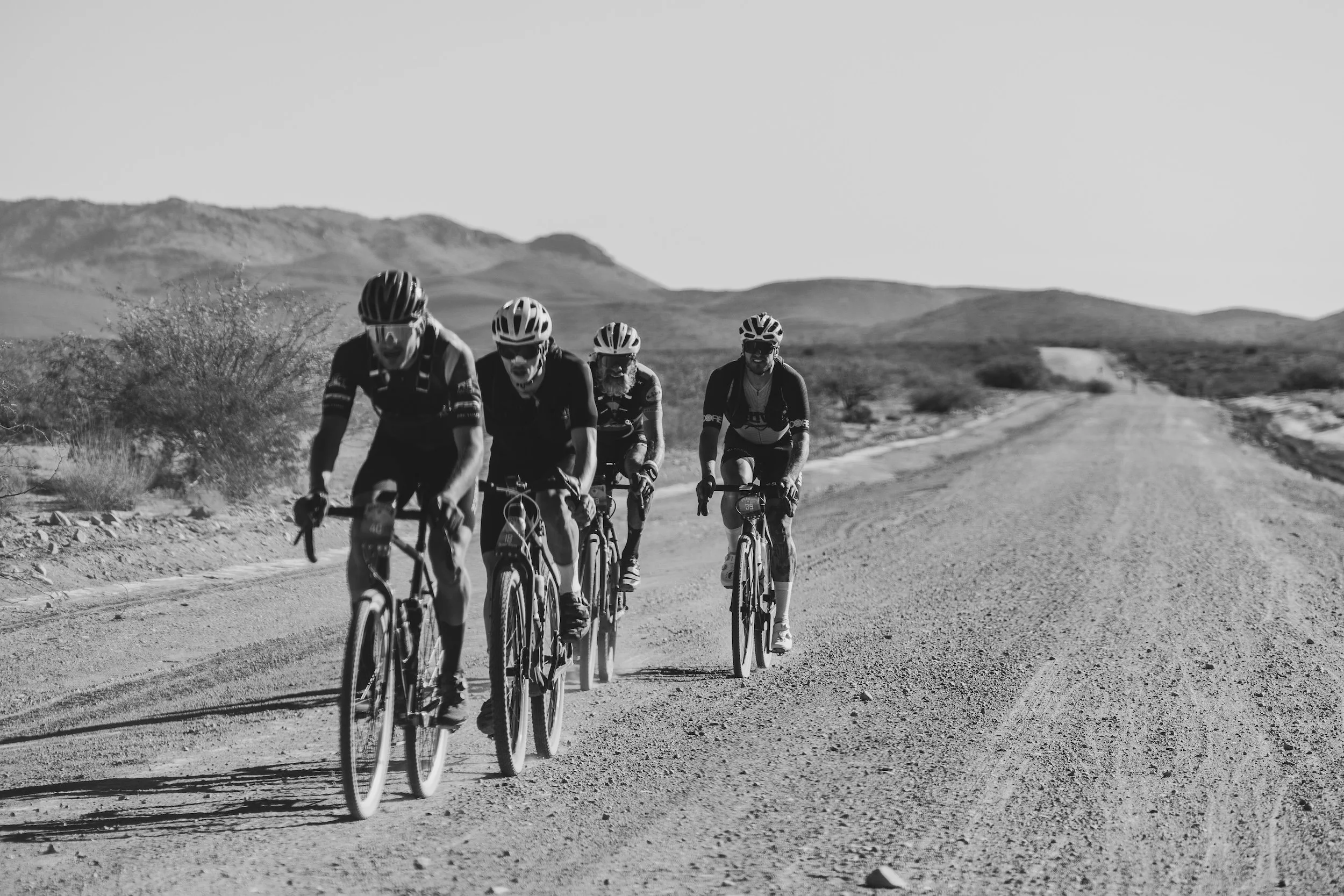
Dirty Freehub recently published a new gravel route on Geronimo Trail Road, the historic road that also serves as the backbone of BorderLands Gravel.
The new Geronimo Trail route is a 32-mile out-and-back ride with approximately 2,100 feet of climbing. It begins about 23 miles east of Douglas, crosses briefly into New Mexico, and returns through the same remote landscape. Dirty Freehub describes the route as technically easier and straightforward to navigate, while still recommending 45 mm tires for the rugged road surface.
Side note: we’d recommend departing from Douglas.
The route starts across open grasslands before gradually climbing into a canyon filled with cottonwoods, rocky outcroppings, washes, and larger trees. Riders pass Outlaw Mountain, enter Coronado National Forest, cross the Arizona-New Mexico state line, and eventually reach a scenic high point before turning around for the descent.
It is the same road used by BorderLands Gravel, but the Dirty Freehub route offers another way to experience it.
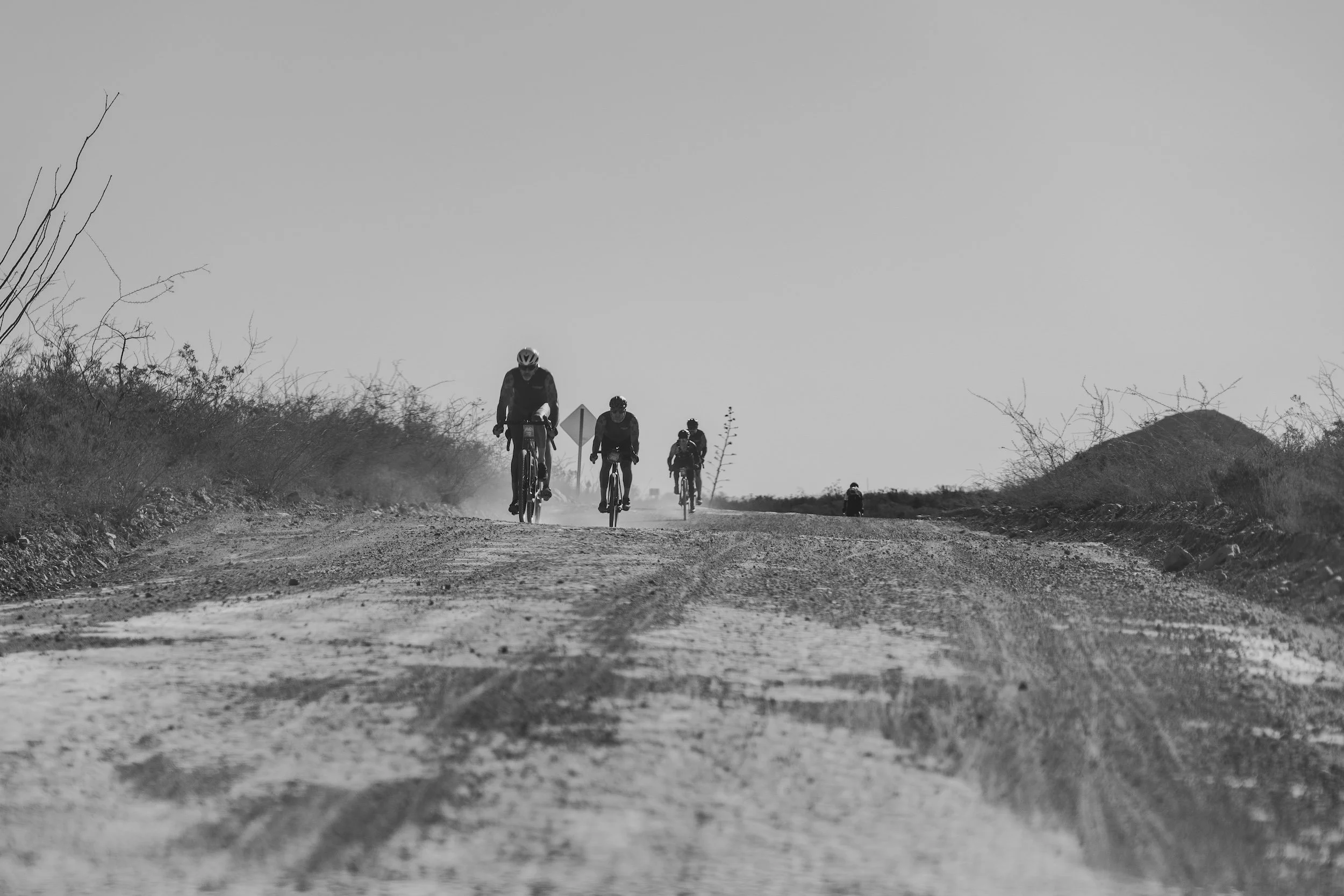
Race day brings timing, aid stations, other riders, volunteers, and the energy that comes from taking on a challenge together. The Dirty Freehub route invites riders to return on their own schedule, slow down, explore the landscape, and experience Geronimo Trail Road beyond the context of competition.
A race can introduce people to a place. A collection of trusted, well-documented routes can help turn that place into a destination ... something we’re working on.
Douglas Offers a Different Kind of Gravel
We are not trying to recreate Patagonia in Douglas. We do not need to.
Southern Arizona is large enough, varied enough, and interesting enough to support more than one gravel destination. In fact, developing multiple riding hubs gives cyclists more reasons to explore the region, stay longer, and return for another trip.
Patagonia and the San Rafael Valley offer expansive high-desert grasslands, established cycling resources, and a growing community built around gravel adventure.
Douglas and eastern Cochise County offer something different.
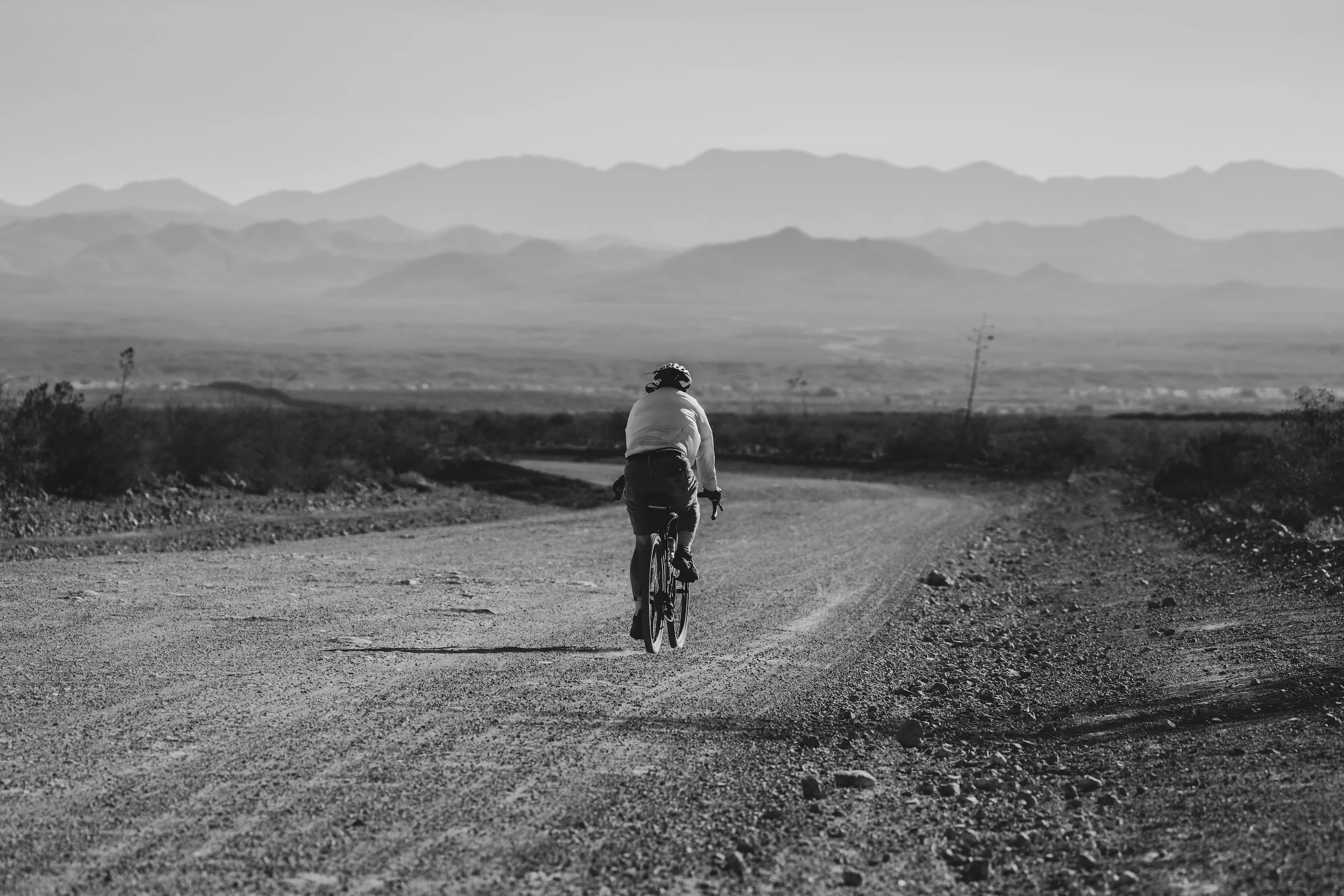
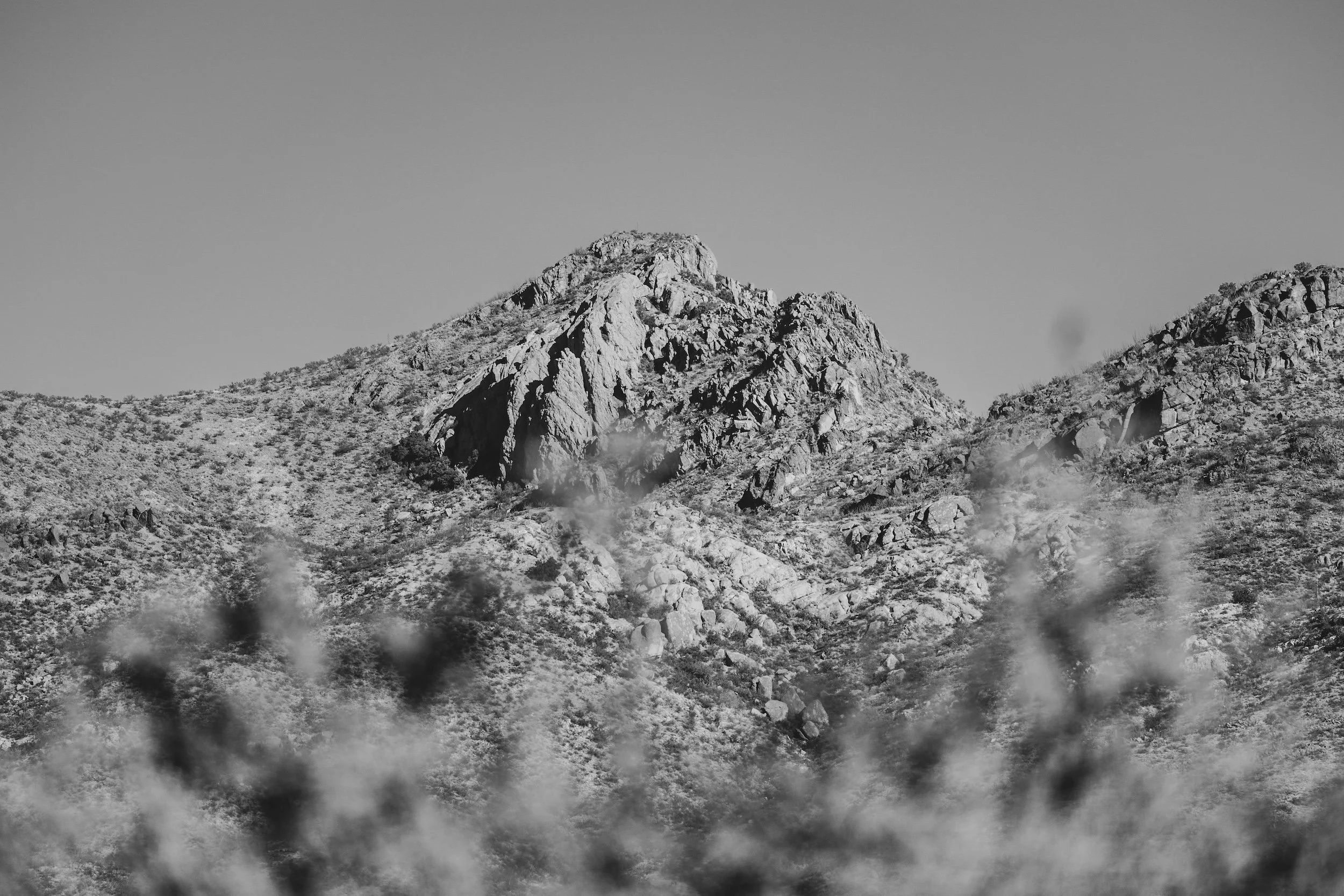
The landscape surrounding Geronimo Trail Road feels rawer, more exposed, and more isolated. The road moves through the transition between desert grasslands, Chihuahuan Desert vegetation, riparian corridors, rocky canyons, and higher-elevation trees. Mountain ranges rise from the desert on both sides of the international border, creating the distinctive Sky Island geography of southern Arizona and northern Mexico.
There are stretches where the road feels endless.
There are places where the only sounds are tires moving across gravel, wind passing through dry grass, and the occasional bird circling overhead.
There are no crowds. That is part of the appeal.
Douglas offers a gravel experience rooted in remoteness, resilience, borderlands history, ranching culture, wildlife, and the communities that have lived within this landscape for generations.
Geronimo Trail Road was once a significant travel corridor used by Indigenous people, explorers, missionaries, soldiers, ranchers, miners, and others moving through the borderlands. Today, gravel cyclists are becoming another part of that long and complicated story.
Looking Beyond the Race Weekend
BorderLands Gravel was created to provide an unforgettable event experience. But our larger vision has always extended beyond one weekend in November.
We want the race to introduce riders to Douglas.
We want them to remember the gravel roads, but also the people who welcomed them. We want them to stay in local lodging, walk through the historic Gadsden Hotel, eat at local restaurants, explore downtown, visit nearby wildlife refuges, and better understand a community shaped by its connection with Agua Prieta directly across the border.
The BorderLands Gravel vision is built around four interconnected ideas: location, culture, support, and the journey itself. The gravel matters, but so do the landscapes, historical sites, communities, and people surrounding it.
That is why the new Dirty Freehub route is important.
A route platform publishing a Geronimo Trail ride gives cyclists another point of entry into Cochise County. It gives them a downloadable route, planning information, terrain descriptions, tire recommendations, and a clearer understanding of what they will encounter.
It makes the experience easier to imagine.
It also helps validate what BorderLands Gravel riders have already discovered: these roads deserve greater attention.
Building a Gravel Destination Takes Time
A destination is rarely created by one race, one route, or one marketing campaign.
It happens gradually.
One rider visits for an event and returns with friends.
A route platform publishes a ride and introduces the road to a new audience.
A photographer shares images of the landscape.
A cyclist tells someone about the Mexican food they ate after finishing.
A local business begins thinking about how it could better serve visiting riders.
More routes are mapped, documented, and responsibly promoted. Over time, a place that few cyclists had considered begins appearing on their gravel maps.
That is what we hope to help build in Douglas and throughout Cochise County. BorderLands Gravel will continue to be an important part of that work. The race provides a supported opportunity to experience these roads, particularly for cyclists who may be hesitant to explore such a remote area alone.
But race day should be an invitation, not the only reason to ride here.