Why BorderLands Gravel Is One of Arizona’s Most Unique Gravel Races
Listen, most cyclists don’t plan a trip to Douglas, Arizona.
If they’re traveling to southern Arizona, they’re usually headed for Tucson. Maybe they’ll make a detour to Bisbee for its mining history and colorful downtown before turning back toward home.
Those looking for gravel to ride head to Patagonia. Douglas rarely makes the itinerary.
That’s understandable. At first glance, it doesn’t look like the kind of place you’d expect to find one of the Southwest’s most memorable gravel races.
It isn’t a polished mountain town filled with outdoor outfitters and craft breweries. It doesn’t market itself as the next cycling capital. Douglas is a working border community with a rich history, a complicated past, no-frills Mexican food, and hundreds of miles of rugged desert roads stretching toward the horizon.
That’s exactly why BorderLands Gravel belongs here.
Every memorable gravel race has something that makes it impossible to duplicate somewhere else. Sometimes it’s the climbs. Sometimes it’s the scenery. Sometimes it’s the community.
At BorderLands Gravel, it’s the place itself.
The Borderlands Are the Destination
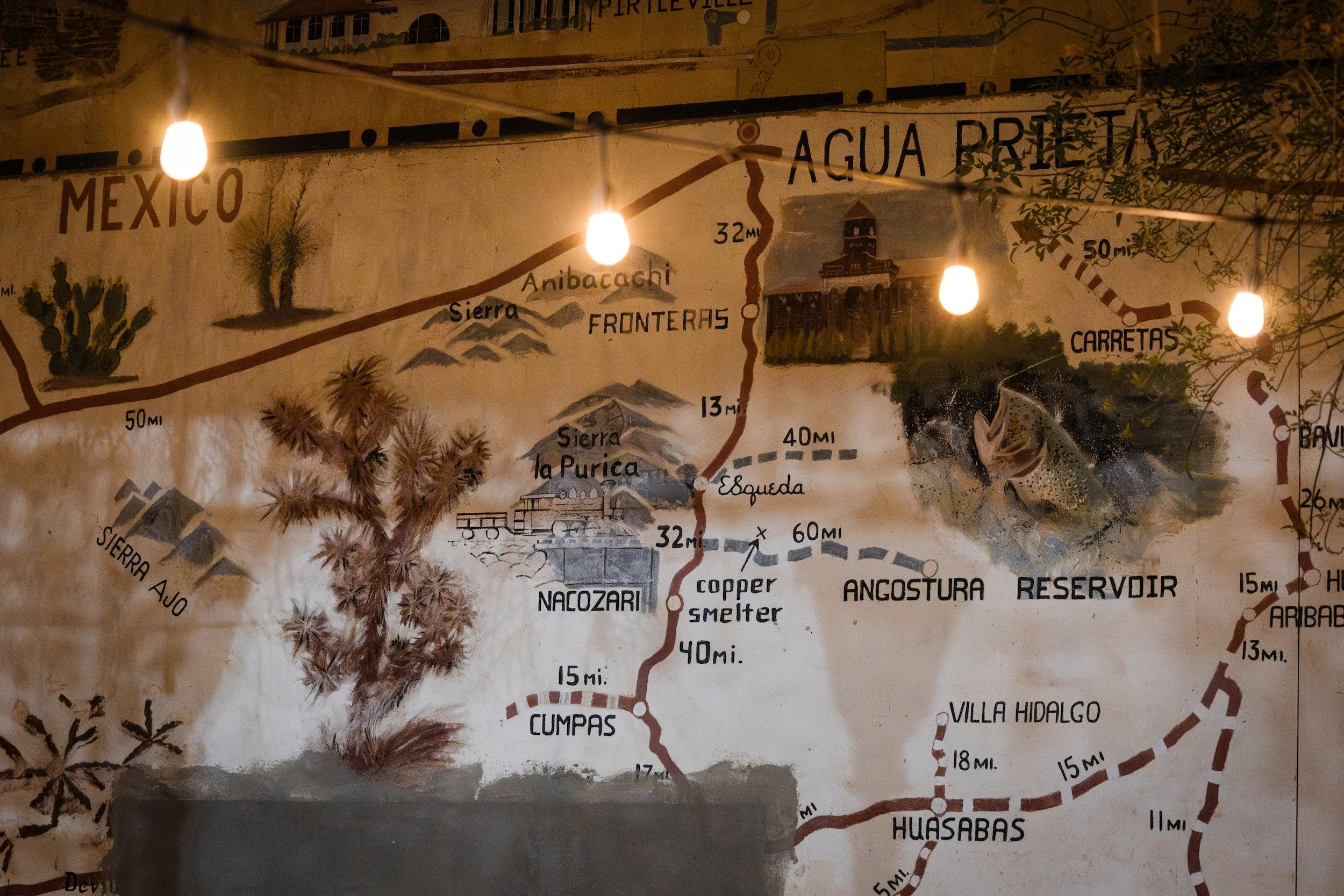
The Arizona borderlands are unlike anywhere else in the United States.
This is where cultures, landscapes, languages, and histories intersect. It’s a region shaped by Indigenous communities, Spanish exploration, ranching, mining, conservation, and international commerce. Long before Douglas officially became a city in 1905, the border itself had already shifted. Following the Treaty of Guadalupe Hidalgo in 1848 and the Gadsden Purchase five years later, the map changed while many of the people remained exactly where they had always lived.
Understanding that history changes the way you experience this landscape.
Riding Through History
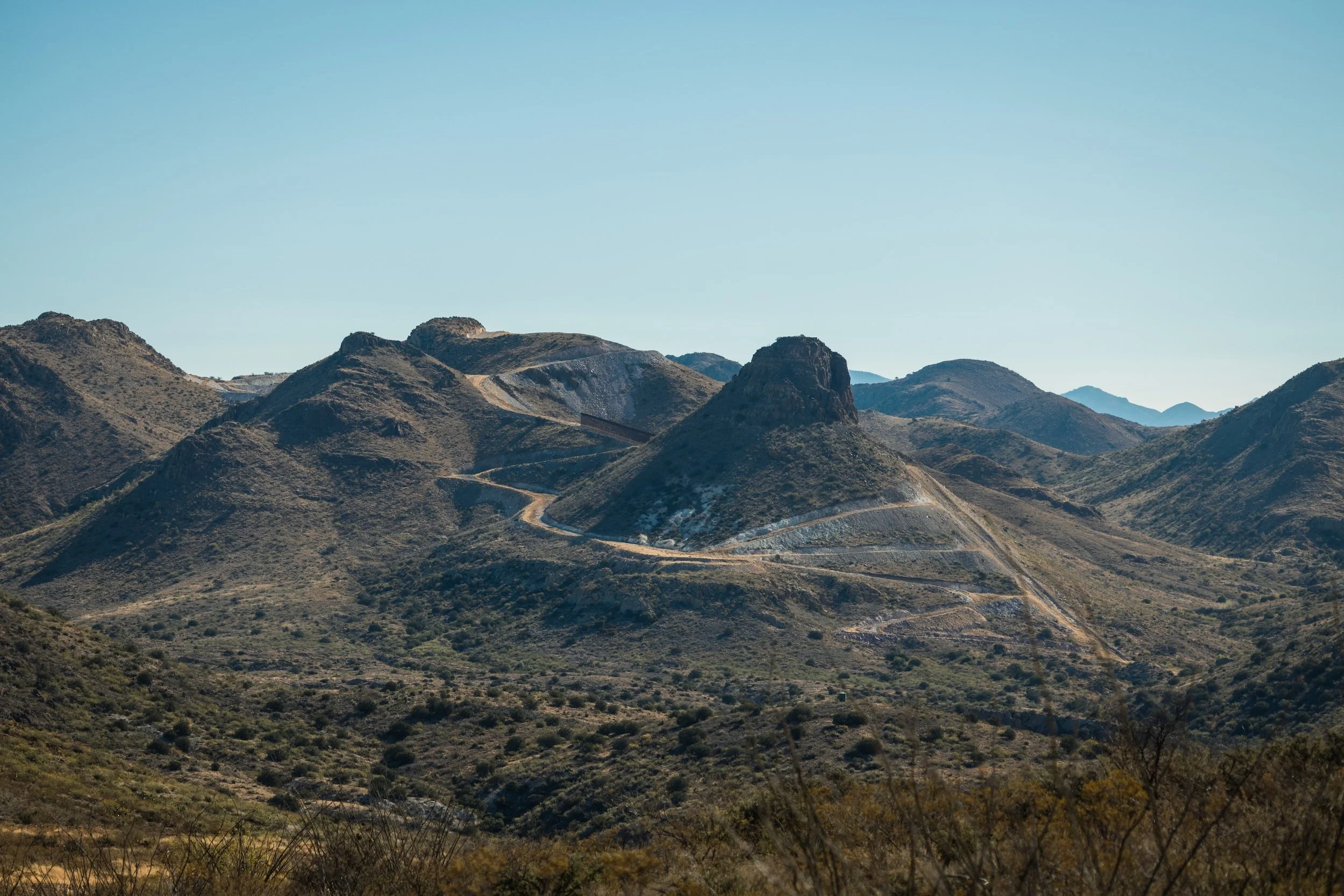
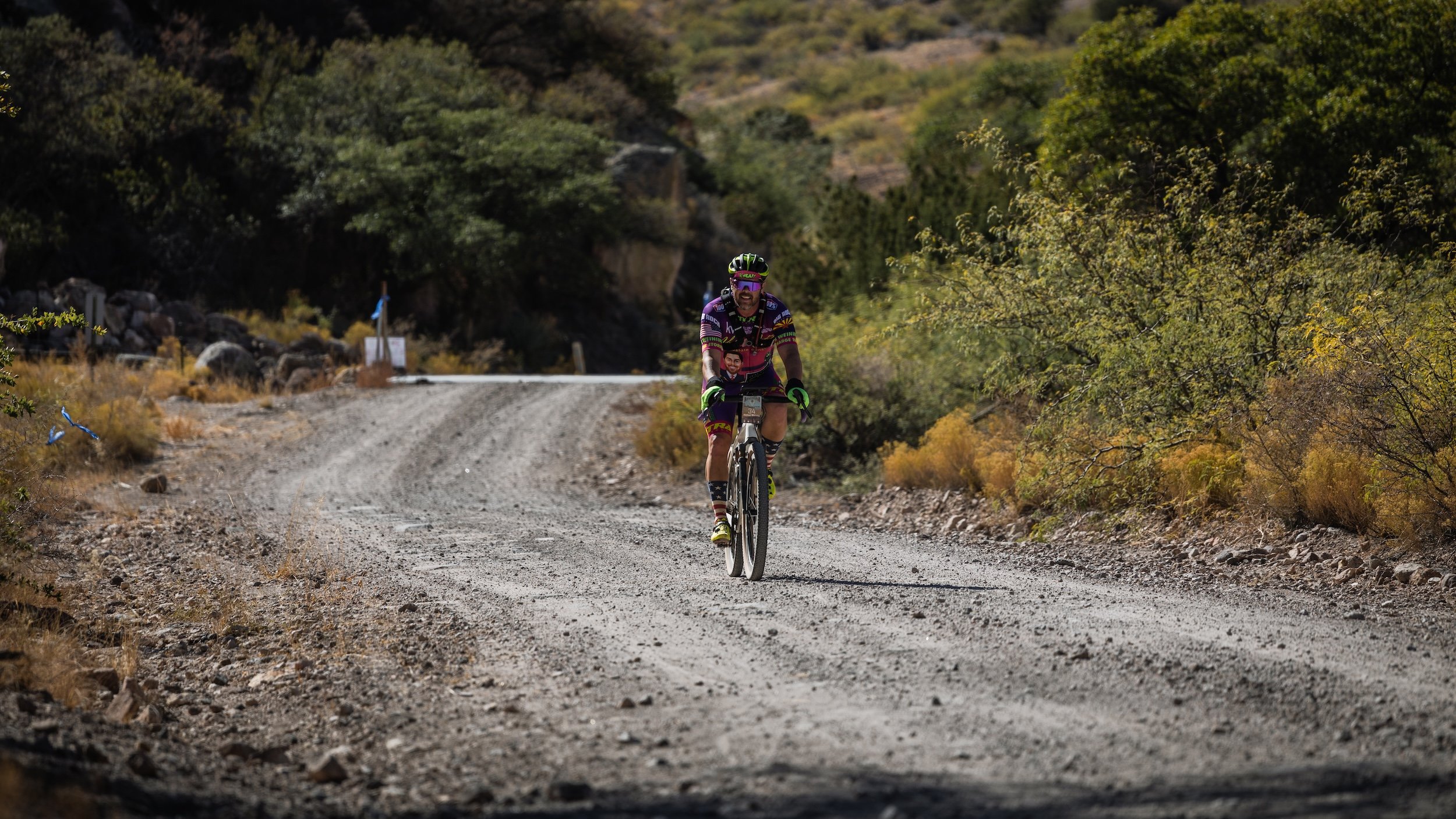
Leaving downtown Douglas, riders quickly trade pavement for dirt as the course joins the historic Geronimo Trail.
For the first several miles, the Arizona-Mexico border wall becomes a constant companion. It’s impossible to ignore, but it also becomes part of a much larger story. The landscape begins to reveal itself through wide-open desert valleys, distant mountain ranges, working ranches, and an overwhelming sense of space.
The roads seem to disappear into the horizon.
Silence becomes part of the experience.
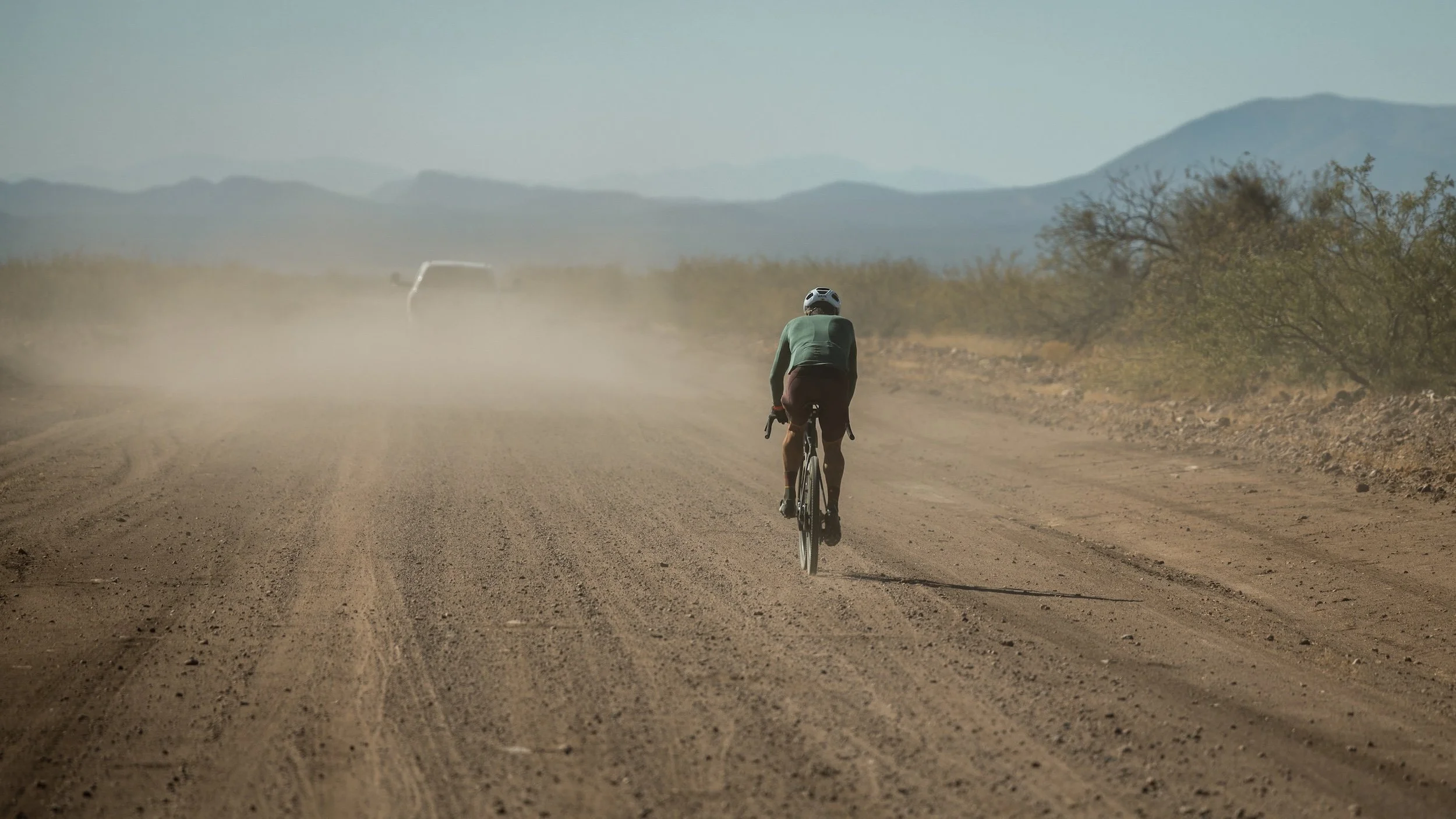
Unlike many gravel races that weave through small towns every few miles, BorderLands Gravel embraces remoteness. Once you’re out on course, it’s entirely possible to ride for long stretches with nothing around except desert, wildlife, and fellow cyclists scattered across the landscape.
That’s part of the appeal.
More Than a Finish Line
I’ve photographed gravel races across the American West.
Every event has strong riders.
Every event has podiums.
But the races people remember years later usually have something else.
They have a sense of place.
Standing alongside the course, camera in hand, I found myself paying less attention to finishing positions and more attention to what riders were experiencing.
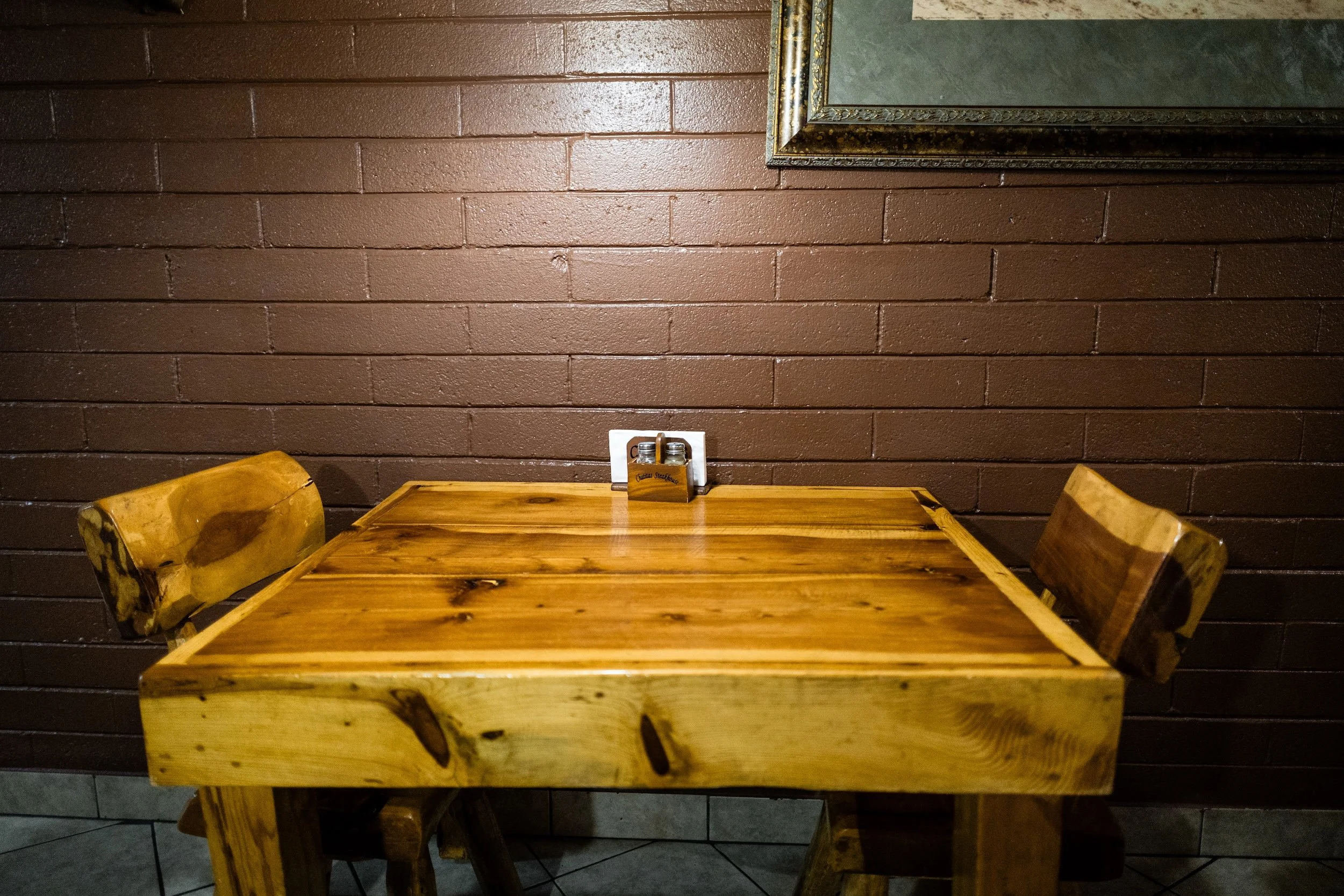
Back in Douglas, riders gathered to share stories over food, explore downtown, and discover a community many admitted they had never visited before.
That’s one of the hidden powers of events like BorderLands Gravel.
They introduce people to places they have never been to before.
Why This Race Matters
For rural communities, awareness is often the hardest challenge.
People can’t visit a place they’ve never considered.
Outdoor events like BorderLands Gravel change that.
A gravel race becomes someone’s first reason to visit. They book a hotel room, eat at local restaurants, meet local residents, and discover that the destination is far more interesting than they expected.
Many eventually return.
Not necessarily to race again, but because the experience changed how they viewed the community.
To me, that’s why events like BorderLands Gravel matter.
They don’t simply generate economic activity over one weekend.
They reshape perceptions.
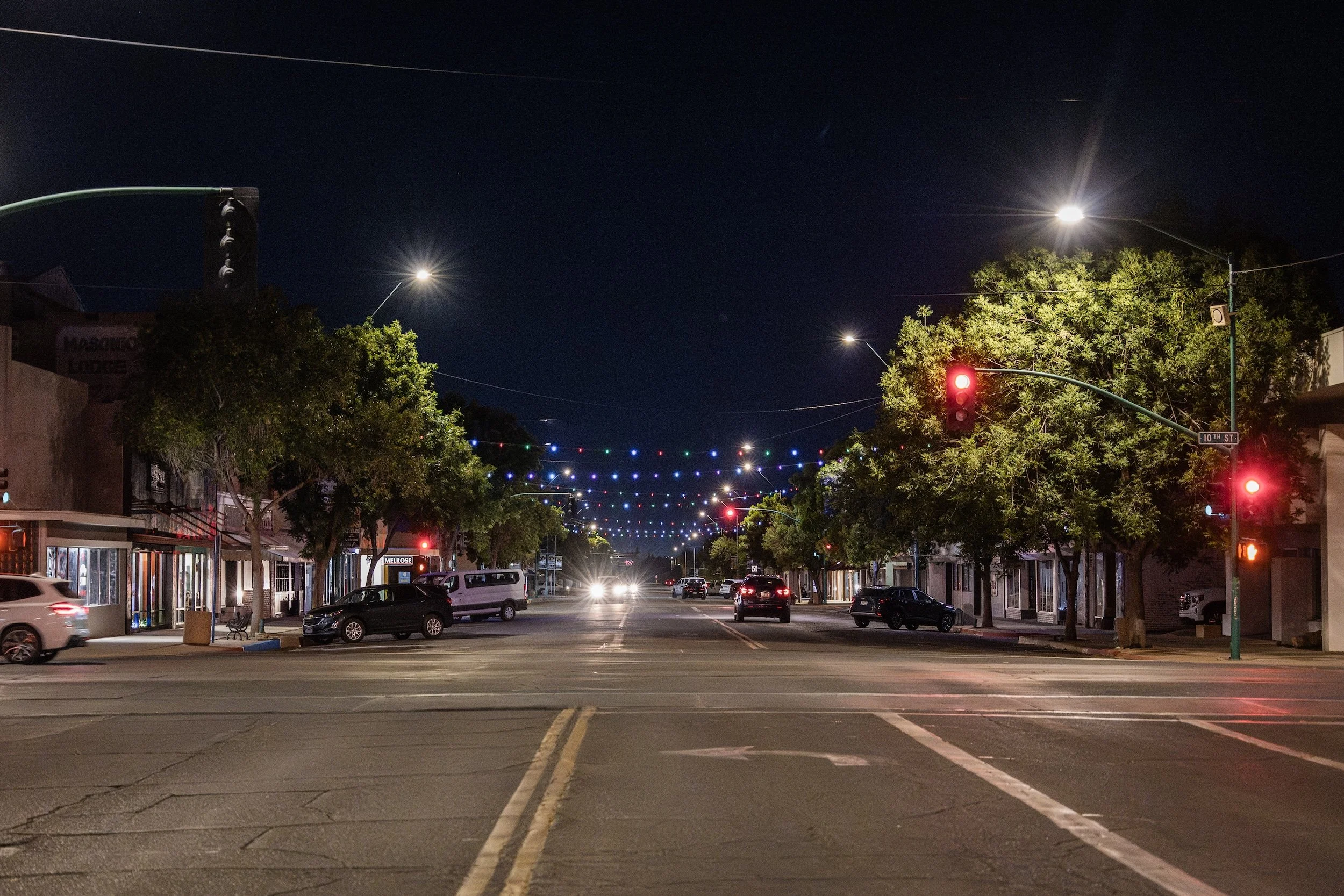
Douglas transforms from a dot on the map into a destination worth exploring.
Authenticity Wins
One of the things I appreciate most about BorderLands Gravel is that it doesn’t try to imitate somewhere else.
It doesn’t pretend to be Sedona or Moab.
It embraces what makes the borderlands unique.
The rugged roads.
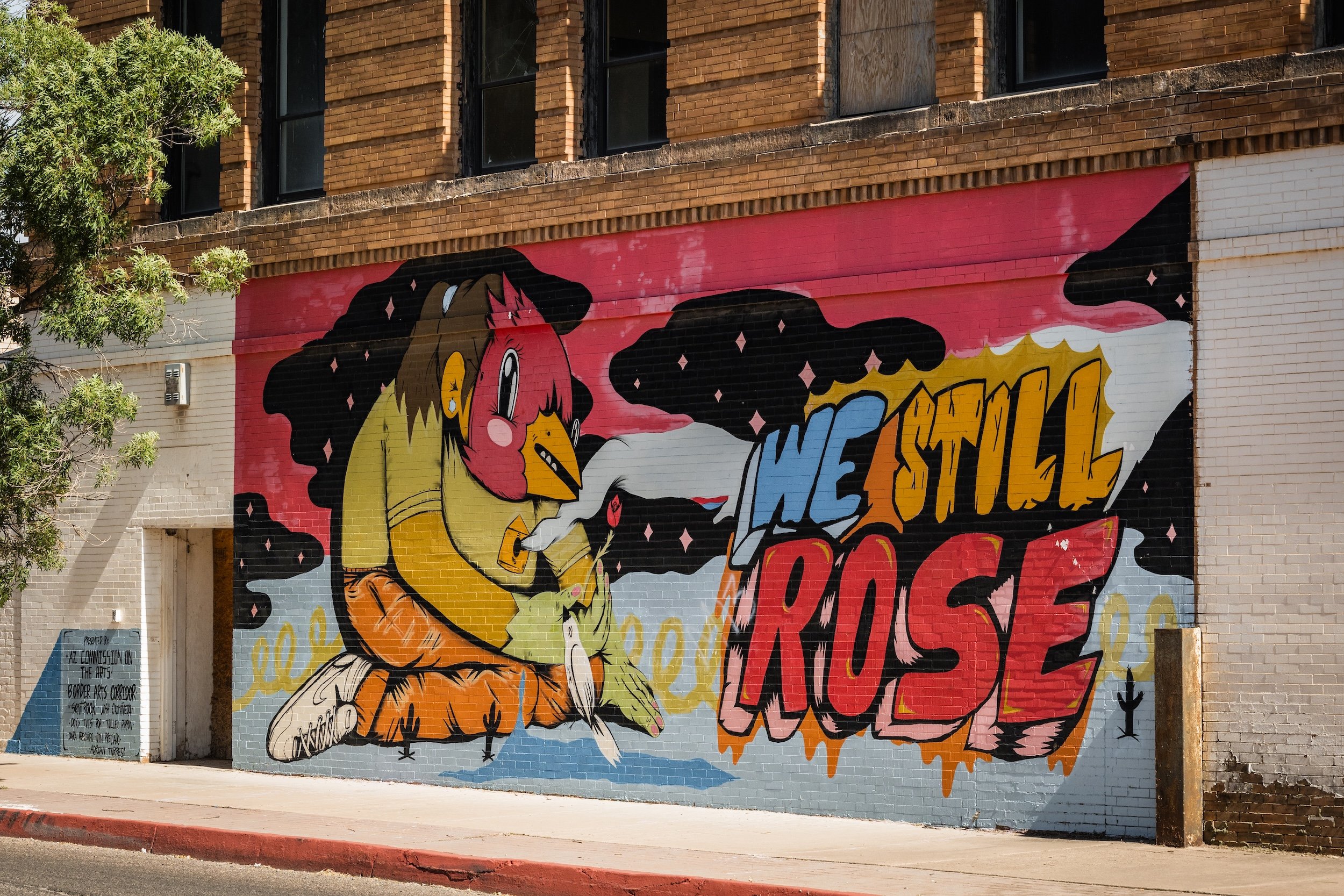
The grit and rawness of the town.
The wide-open desert.
The history.
The hospitality.
The culture that naturally exists when two countries share a border.
They’re the race’s greatest strengths.
An Adventure Worth Traveling For
Great gravel races leave you with stories.
BorderLands Gravel certainly delivers those.
But more importantly, it leaves riders with a new appreciation for a place many knew almost nothing about before arriving.
That’s what great destination events do.
They change the way we see a community.
They remind us that adventure isn’t always found in famous places. Sometimes it’s waiting in communities that have been quietly telling remarkable stories all along.
Douglas is one of those places.
And once you’ve experienced the borderlands from the saddle of a gravel bike, you’ll never look at southern Arizona the same way again.